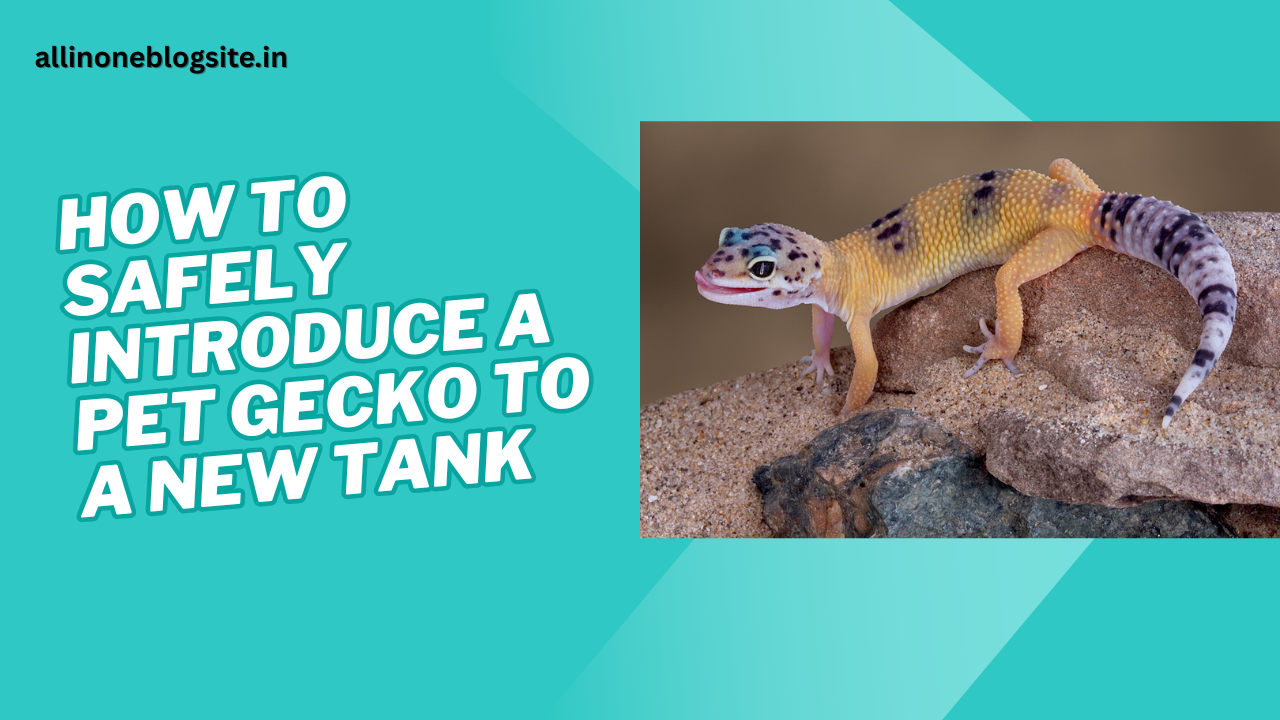
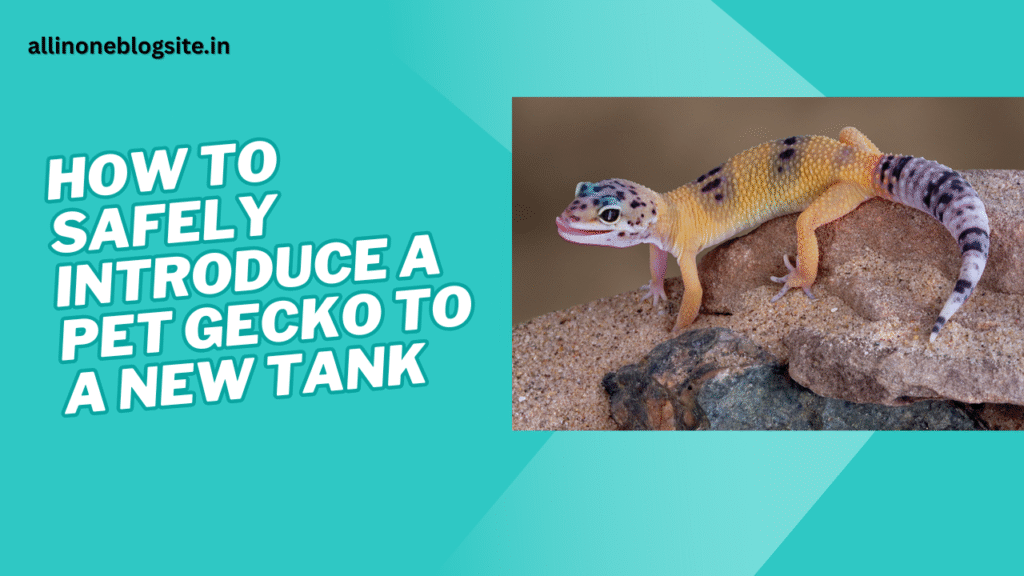
Introducing the pet gecko to a new tank is a crucial procedure requiring planning and plenty of patience. A smooth transition will allow your pet to feel comfortable and safe, as this is good for its health and well-being. The following steps and tips will help you introduce your gecko to its new environment.
Why the Introduction Process Is Important
Like most reptiles, geckos are sensitive to environment changes. In a poorly conducted introduction, such stress wins make the gecko ill or hurt. With proper procedures, you grant your gecko an easy time acclimating to its new tank.
Benefits of an Introduction Done Well:
- Minimizes stress on your gecko.
- Prevents territorial antagonism.
- Checks that the setup meets your gecko’s needs.
- Facilitates a smoother transition for your gecko from one environment to another.
Steps for Introducing Your Gecko to a New Tank
1. Get the New Tank Ready Beforehand
Before even thinking of moving your gecko, set up the new tank so it meets all requirements. Arrange everything in there that your gecko will need to feel comfortable and secure.
Key Setup Components:
- Temperature Control: Geckos need to be maintained in a precise temperature range, especially species such as leopard geckos. The tank needs to accommodate a heat source, either a heat mat or heat lamp, to allow for a temperature gradient.
- Humidity: Depending on the species of gecko, humidity levels have to be adjusted. Get a complete understanding of the humidity requirements of the kind of gecko you have, and then measure with a hygrometer.
- Lighting: Some may require UVB light, while others may require less exposure. Lighting must be appropriately set to the pet’s needs.
- Substrate: Do employ a non-toxic substrate that somewhat resembles your gecko’s natural habitat. Avoid loose substrates such as sand for young geckos, as they might ingest it.
- Decor: Provide branching for climbing, hides, and rocks for enrichment and hiding.
2. Give Time for Your Gecko to Adjust to the New Tank
After having the tank prepared, it is important to give your gecko some time to adjust to its new environment. Put your gecko gently in the tank and leave it alone for a while.
Key Tips:
- Keep the tank in the quiet corner of your house, to avoid any outside disturbance.
- Minimize handling during the first couple of days so the gecko can explore stress-free.
- Do not overfeed the gecko in the meantime as it might not eat due to the new environment.
3. Take it Slow When Introducing Your Gecko to the New Environment
Some geckos might adjust quickly, whereas others need more time. The introduction should always be gradual so as not to overwhelm your pet.
Gradual Introduction Tips:
- Watch the gecko for a few minutes every day, and see how it responds to the tank environment.
- Gradually start feeding by offering food in the new tank. It is perfectly normal if your gecko refuses to eat at first.
- Watch the gecko for signs of frequent hiding as this may mean that it feels stressed or insecure about something.
4. Observe Your Gecko for Signs of Stress or Health Problems
In this initial period, keep an eye on your gecko’s behavior and health. Stress can have various manifestations, thus being able to detect the first signs can be crucial in avoiding complications.
Signs the Gecko is Stressed:
- Hiding too much.
- Loss of appetite or refusal to eat.
- Shed more quickly or incompletely.
- Restlessness or pacing on the tank.
Health Concerns:
Go immediately to the vet if the gecko is showing any signs of illness, like lethargy, swelling, or abnormal stools. These could suggest that the tank setup is not really suitable, or it could also be that your pet is simply too stressed to adjust.
5. Keep the New Tank Environment Stable
Being creatures of habit, geckos expect stability in their new tank environment after the first introduction phase. Fluctuations in temperature, humidity, or substrate might truly aggravate the stress levels.
Stability Tips:
- Monitor temperature and humidity on a daily basis.
- Do not move the decorations or hides too frequently, whenever at all possible.
- Feed at regular intervals.
6. Handling the Geckos After the Introduction
You may handle your gecko after it is appropriately adjusted to its new environment. Be sure you do so with respect and try not to overdo it.
Handling Tips:
- Handle your gecko gently and briefly at first.
- Remain quite still and allow your pet to approach you if it shows signs of curiosity.
- If your gecko shows signs of discomfort, never force handling.
7. Integrating a New Gecko With Another
When more than one gecko is introduced into the same tank, a cautious approach is required. Geckos can be rather territorial, and an altercation may occur between them. Observe them closely during those first contacts.
Guidelines in Adding Another Gecko:
- Introduce them in some neutral, separate location prior to transferring into the joint tank.
- Watch out for the signs of aggression like biting or chasing.
- Having more hiding places or territorial markers to lessen conflicts is advised.
Troubleshooting: Most Common Problems When Introducing a Pet Gecko to a New Tank
While most gecko species would settle down into their new tank with a little patience, some issues commonly arise. Here’s how to deal with them.
Problem 1: Gecko Is Not Eating
Possible Causes:
- Stress from the move.
- Inadequate temperature/humidity.
- Confusion from the new environment.
Solution:
- Make sure the tank is set up with the ideal conditions.
- Allow your gecko some time to explore and get used to the area.
- If the problem persists, seek further advice from a vet.
Problem 2: Excess Hiding
Possible Causes:
- Felt unsafe or insecure in new surroundings.
- Too much human interaction too soon.
Solution:
- Ensure plenty of good hiding places.
- Limit handling and give your gecko more space.
Problem 3: Aggression from Tankmates
Possible Causes:
- Territorial behavior.
- Overcrowding.
Solution:
- Provide enough hiding spots and space for each gecko.
- Separation should be enforced if the aggression continues.
Further Methods to Avoid Stressful Introductions
A few tips will help maintain peaceful introductions in the future:
- Plan Ahead: Always study the needs of your particular gecko and prepare the tank far in advance.
- Be Patient: Take your time with the introductions. Rushing may cause undue stress.
- Use an Appropriate Substrate: Choose substrates that resemble natural environments and reduce stress.
Conclusion
The introduction of a pet gecko to a new tank requires much attention to detail. When set up correctly, introductions done slowly, with constant observation, allow smooth transitions for the gecko. Going slow, taking care of the setup, and helping your new pet feel loved and secure in its new home will give your gecko a great start to a long, happy life.
The goal of these steps is to provide your gecko with a welcoming, stable environment wherein it can adjust, clashing as little as possible against stress and potential health problems.
Frequently Asked Questions
1. How long does it take before I introduce my gecko to the new tank?
The sooner the better; it would be great if the gecko were introduced to the new tank after the tank had been fully set up and equipped. The setup process should be completed, including a burn-in phase of 24-48 hours, to ensure all the equipment is working properly and the environment is set at the optimum level.
2. During receiving, can live plants go into the new tank of my gecko?
They can and should be considered! But ensure such plants are non-toxic to geckos. Introduce them with caution; sudden changes in tank decor can sometimes agitate your pet.
3. What signs tell me that my gecko is settling into its new tank?
Signs of smooth adjustment include activity in exploring the new surroundings, utilizing hiding places, and eating and drinking normally. If your gecko seems calm and is neither hiding excessively nor pacing, this generally indicates a good adjustment process.
4. After introduction, can I put more than one gecko in the same tank?
Depending on species and temperament. It is best to introduce geckos one at a time and monitor their interactions. Some species are territorial and placing two geckos together too soon might create fights or stress.
5. How do I keep the gecko from stress during introductions?
Keep the noise level down, no handling, and maintain a good room temperature. Also, provide your gecko with lots of hiding places and secure spots to retreat to if it finds the situation overwhelming. The fewer changes in its environment, the better.
6. Should I feed my gecko before or after putting it in its new tank?
It’s typically more preferable to feed a gecko after introducing it into the tank. Geckos especially may not feed when placed in a new set-up, more so if they have some form of stress jittering somewhere within their tender little bodies. First, develop a comfortable ambiance for the gecko, and once settled, present it with food.
7. How frequently should I check the temperature and humidity of the new tank after the introduction?
At least once a day for the first few days following the introduction, you should check the temperature and humidity measurements. When conditions are stable, they guarantee the health of the gecko and work toward keeping the tank within the proper temperature and humidity ranges for the particular species of the gecko.
8. For humidity purposes, can I use any substrate during the introduction?
Indeed, some of the substrates like coconut fiber and reptile carpet can help maintain humidity levels within your tank. However, please try to avoid quite damp substrates that might make your gecko uncomfortable or give rise to mold, which could be toxic to the gecko!
9. So, what should I do if my gecko just refuses to eat in the new tank?
If the gecko does not want to eat after a few days, you should check if the environment of the tank is comfortable. Extreme fluctuations in temperature should not be allowed; proper lighting and humidity should be maintained. If the gecko continues to refuse eating, it might be time to bring in some professional veterinary advice.
10. Can I clean my tank right before setting my gecko into it?
A tank should be clean when set for your gecko, but not just a little while before. Cleaning right away before setting would disturb the environment. If possible, clean the tank a day or two before setting your buddy so that it settles nicely for his arrival.
Also Read: How to Treat Guinea Pig Upper Respiratory Infection at Home