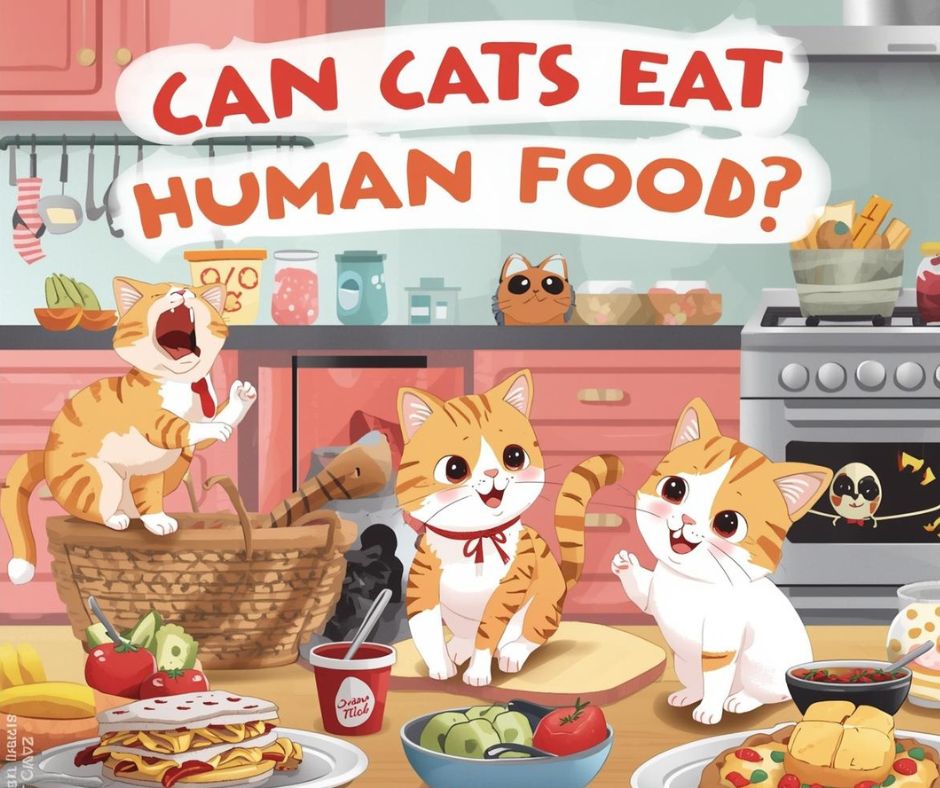
Cats are inquisitive by nature, especially when it comes to human food. So, if you see your cat during your meal, you may ask yourself — can cats eat human food? This question is rather good but the answer is not always straightforward. A few human foods are non-toxic and can be given to cats in tiny quantities. However, there are those that might be harmful or can even cause death. In this material, you will find a thorough explanation of what your cat can eat, what to keep away from, and how to keep your pet healthy, presented in easy-to-understand language. No matter if you’re a novice cat parent or a veteran feline friend, this article will guide you in making the right and safe decisions.
Reasons Why Cats Cannot Eat All Foods
Cats are obligate carnivores which means their bodies have been designed to process only meat and not plants or carbs. They have a short and very effective digestive system that is capable of breaking down proteins from animals only, not from veggies or grains. The following nutrients are mandatory for cats:
• Protein from meat
• Taurine, an amino acid that is found only in animal tissues
• Fatty acids such as omega-3 and omega-6
• Vitamins and minerals especially vitamin A, B12, calcium, and iron
Although some human foods may be given to the cats occasionally, they should never take the place of a well-balanced, species-appropriate diet.
Human Foods That Are Safe for Cats
Let’ s do it category-wise. All of the following foods are only safe in small amounts and not on a daily basis.
Fruits
There is no need for fruits in a cat’s diet, however, a few of them are safe to be given as small treats.
Fruits that are safe:
• Apple (peeled, seeds removed)
• Banana
• Blueberries
• Cantaloupe
• Watermelon (without seeds)
• Strawberries
• Pumpkin (cooked and plain)
Some tips:
• Get rid of all seeds, peels, and cores
• Cut into small, soft pieces
• Feed occasionally
Vegetables
There are most cats who do not like vegetables, however, there exist some that are safe and provide fiber.
Safe Vegetables:
• carrots (cooked, chopped)
• green beans
• cucumber
• lettuce
• zucchini
• peas
• pumpkin
• broccoli (steamed)
Tips:
• avoid seasoning
• steam or boil to make chewing easier
• one at a time introduction
Meats & Animal Products
Cats’ best food group. It’s what they are supposed to eat.
Safe Meats:
• chicken (cooked, plain)
• turkey (undressed and bone-free)
• beef (lean cuts)
• lamb (rarely, fatty)
• fish (cooked salmon, sardines, occasional tuna)
Other Protein Sources:
• eggs (boiled or scrambled)
• shrimp (cooked and peeled)
Tips:
• cooking meat is a must
• no seasoning, garlic, or onion
• avoid frying or meat cuts with high fat content
Grains & Carbs
Cats are not able to process carbs, but a little bit of it in their diet if cooked is safe.
Safe Carbs:
• brown rice
• oatmeal
• barley
• millet
• couscous
• whole wheat bread (plain, very small pieces)
Tips:
• grains should be cooked thoroughly
• do not use salt, sugar, or sauces
Dairy Products
Cats are usually lactose intolerant, especially when they are adults. Some kitties can take dairy while others can’t.
Safe (for some cats):
• hard cheese (cheddar, parmesan – tiny bites)
• plain yogurt (no sugar or flavoring)
Not recommended:
• milk (the majority of adult cats cannot digest it)
• cream or butter
• ice cream
Foods to Avoid Completely
These foods are extremely toxic, harm, or make cats sick. These foods should never be given to cats.
Fruits & Vegetables
• grapes & raisins – can result in renal failure
• onions, garlic, chives – remove red blood cells
• tomato leaves & stems – poisonous
• citrus fruits – induce stomach upset
• avocado – has persin that is toxic in large amounts
Animal Products
• raw meat, fish, or eggs – possibility of bacteria and parasites
• bones – risk of choking and damage to internal organs
• fat trimmings – cause digestive upset or pancreatitis
Other Toxic Foods
• Chocólate – incluye teobromina y cafeína.
• Caffeine – en café, té, bebidas energéticas.
• Alcohol – inclusive, small cannots fatal.
• Xylitol – sugar substitute found in gum, candy, peanut butter.
• Raw dough – expands in the stomach, produces alcohol.
Foods to Give with Caution
These foods are not poisonous; however, they can still cause problems if given too frequently or in the wrong way.
• Cheese – a lot of cats (and kittens) cannot digest lactose.
• Corn – not poisonous, but low in nutrients.
• Tuna (human type) – safe in small doses, but very high in mercury.
• Potatoes – only cooked, plain, raw potatoes contain solanine.
• Spinach – not if your cat has kidney issues.
• Peanut butter – sticky, oily, might have xylitol.
What Can Kittens Eat?
Kittens have to be fed on kitten diet food for the sake of their proper development. Nevertheless, after a few months have gone by, some soft, safe human foods can be introduced to them as the case may be.
Safe Options for Kittens:
• Chicken (shredded) cooked.
• Eggs (no oil or seasoning) scrambled.
• Pumpkin cooked.
• Small pieces of soft fruit like banana.
Avoid:
• Milk.
• Raw meat or eggs.
• Spicy or salty foods.
Rule: Any human food should not exceed 10% of the kitten’s daily intake.
How to Introduce Human Foods Safely
It requires time and attention introducing new foods into your cat’s diet.
Steps:
- Start small – Just a few bites.
- Watch closely – Looking for signs of allergic reactions or an upset stomach.
- One at a time – Never introduce many new foods simultaneously.
- No seasoning – Keep it bland.
- Cook thoroughly – Always boil, bake, or steam.
Signs of Trouble:
• Vomiting.
• Diarrhea.
• Loss of appetite.
• Lethargy.
• Itching or swelling.
If any of the symptoms show up, stop giving that food and see a vet.
Summary Chart of Safe & Unsafe Foods
| Food Type | Safe | Unsafe |
| Chicken (cooked) | ✅ Yes | ❌ Raw or undercooked |
| Rice | ✅ In moderation | ❌ With salt or butter |
| Apple (no seeds) | ✅ Small pieces | ❌ Seeds contain cyanide |
| Grapes/Raisins | ❌ No | ❌ Toxic to kidneys |
| Onions/Garlic | ❌ No | ❌ Toxic to blood cells |
| Eggs (cooked) | ✅ Yes | ❌ Raw eggs – bacteria risk |
| Cheese | ⚠️ Some cats | ❌ Large amounts – lactose |
| Chocolate | ❌ Never | ❌ Toxic to cats |
| Pumpkin (plain) | ✅ Yes | ❌ Sweetened or spiced |
Final Tips for Feeding Cats Human Food
• Limit treats to 10% or less of the total daily food of your cat
• Moderation is repaid with species-appropriate nutrition
• Meat and eggs must always be cooked
• Spices, sauces, butter, and oils should be avoided
• Clean drinking water must always be accessible
• If uncertain, consult your veterinarian
Conclusion
Thus, is it possible for cats to eat human food? Yes, but only a few of them. Some fruits, veggies, meats, and grains are okay in small amounts while others may be hazardous. It’s your responsibility, as a cat owner, to tell apart the good from the bad and feed wisely. Human food is never a substitute for a complete cat diet, but when done right they can be an exciting way to connect with your pet and add variety.
Frequently Asked Questions:
1. Can cat’s foods be cooked in olive oil or butter?
No, cats should not eat food cooked with butter as it is high in fat and may cause digestive problems. A tiny amount of olive oil is usually safe but do not use it regularly. Instead, feed plain, boiled, or baked meat, and vegetables without added oils.
2. Can cats eat food that has been left over from humans?
Feeding your cats with leftovers is not a good idea since, in most of the human meals, salt, spices, garlic, or onions — all of which can be harmful — are used. Even small amounts of seasoning can upset your cat’s stomach or cause long-term health problems.
3. Can cats eat peanut shells or fruit peels?
No. Both peanut shells and fruit peels are hard to digest and can lead to choking. Always peel fruits and remove shells, seeds, and pits before giving them to your cat.
4. Can cats eat canned vegetables or soups?
Generally, canned food for humans includes dangerous substances for cats, such as additional salt, preservatives, and sometimes even onions. Not only that, but also soups with just vegetables can be harmful if they have garlic or spices. Go for fresh or plain steamed vegetables only.
5. Can cats eat rice every day?
Definitely not. Though cooked rice is safe in very small portions, it should not be included in a daily diet. Cats require meat-based protein for their well-being. Overconsumption of rice could result in nutritionally imbalanced diets.
6. Can cats eat baby food?
Pureed chicken or beef among some plain baby foods is safe if they are free from garlic and onions. Always read the list of ingredients. Some cat owners use baby food as a coaxer for sick cats, but it should not be used as a long-term replacement for cat food.
7. Can cats eat cooked eggs daily?
Did you know that cooked eggs are a good source of protein? However, you should not feed them daily. Rather, they should be a rare treat. Giving too much eggs can upset your cat’s primary diet balance.
8. Can cats eat food from the fridge without reheating?
Although cold food from the fridge isn’t harmful, cats generally prefer food that isn’t cold. In addition, cold food can also cause stomach upsets in sensitive cats. So better wait until the food is at room temperature before serving.
9. Are cats allowed to eat vegan or plant-based meat substitutes?
Cats are strict carnivores and they cannot live on a vegan or plant-based diet. Tofu or soy-based products and other meat substitutes do not provide taurine, which is an essential nutrient for cats.
10. Is it possible for giving human food to cats to cause health problems in the long run?
Yes, but only if the feeding is done wrongly. Improper human food given to cats regularly can result in the following health issues:
• Obesity
• Diabetes
• Nutrient deficiencies
• Kidney or liver damage
• Digestive problems
The consumption of human food by cats should be occasional and safe rather than a daily habit.
Also Read: Are Fennec Foxes Good Pets?.