Introduction
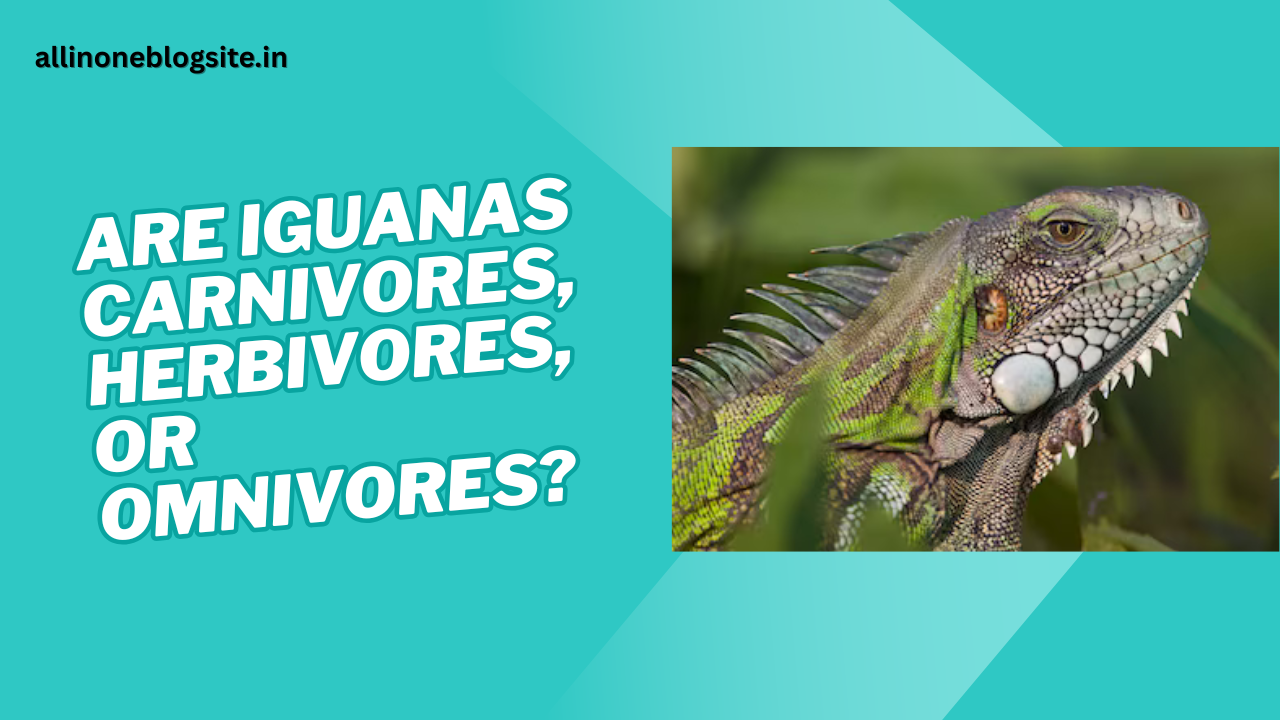
Iguanas are among the most distinguishable reptiles globally. Reptiles with scaly skin, long tails, and at times unfriendly nature that could either fascinate people in the wild or keep them as pets. However, there is one question that often confuses not only the new owners but also the professionals in the reptile world: What are the food items in the iguana’s menu? Are they flesh-eating animals that require meat? Do they munch on both plants and animals like omnivores? Or are they simply plant-eating herbivores? The true diet of iguanas is not just a matter of curiosity, it is about health, survival, and longevity. The wrong diet can lead to serious health problems in the animals kept in captivity. This article gives a detailed discussion on iguanas food, their digestive systems, scientific findings on their diet, and the right way to feed them to stay healthy.
1. Understanding Iguanas: An Overview
Prior to looking into their diet, it is essential to know what iguanas are and their geographical distribution. There are numerous species, and diet can differ a bit among them.
1.1 General Description
- Iguanas are large-sized, cold-blooded reptiles that fall under the category of Iguanidae family.
- They have robust limbs, pointed nails, and a long tail for maintaining equilibrium and for protection.
- Most of them are arboreal, which means that they are tree dwellers for a large portion of their life.
- Their shades vary from vivid green to gray based on the species and the environment.
1.2 Common Iguana Species
- Green Iguana (Iguana iguana) – the species that has the most individuals and is most often kept as a pet.
- Marine Iguana (Amblyrhynchus cristatus) – endemic to the Galápagos Islands.
- Desert Iguana (Dipsosaurus dorsalis) – inhabits the dry regions of North America.
- Fiji Banded Iguana – a species of the South Pacific.
Every species has adjusted its diet according to its natural surroundings. However, their digestive tracts reveal a common trait — they are mainly herbivores.
2. Herbivore, Carnivore, or Omnivore: What Do These Mean?
To have a good grasp of the iguana’s diet, it would be necessary to clarify these three words first.
- Carnivorous animals are those that solely feed on meat. Their digestive tracts are short and aimed at the rapid breakdown of the proteins of animal origin.
- Omnivorous animals are those that feed on both plants and animals. They have the capability to metabolize the widest variety of foods ranging from fruits to insects and meat.
- Herbivorous animals consume utmost plant material, which includes leaves, flowers, fruits, and even vegetables. They possess long intestines which help them in nutrient absorption from the fibrous food.
When you look at iguana’s anatomy and digestion against these categories, science tells that iguanas belong to the herbivore category the most.
3. Are Iguanas Herbivores? The Scientific View
3.1 What Studies Show
The results of research carried out by biologists and veterinarians in the last few decades can be summed up as follows: Iguanas are herbivores. The researchers studying the wild iguanas’ stomach content found mostly the plant materials, that is, leaves, flowers, and fruits. Even the baby iguanas which were once thought to be insect feeders are found to be eating plants right from birth.
3.2 Digestive Adaptations
The iguana’s digestive system is meant for the breaking down of the tough plant fibers. The aspects of the system include:
- A long intestinal tract for the fermentation process and for the absorption of nutrients coming from the plants.
- Microbial flora facilitating the digestion of cellulose present in the leaves.
- Very high efficiency in the extracting of water and minerals from the vegetation.
Undoubtedly this kind of design for digestion proves that iguanas are not the ones that can digest the animal protein or meat.
3.3 The Myth of the Omnivore Iguana
For quite a long time people thought iguanas to be omnivores. Misinterpretation of early studies led to the conclusion that young iguanas fed on insects which was the reason for the alleged observation. However, newer, detailed research (such as that by Thomas Boyer, John Iverson, and Gordon Rodda) has confirmed that iguanas remain herbivorous throughout their lives.
4. What Happens When Iguanas Eat Meat
4.1 The Danger of Animal Protein
Veterinary studies find that giving iguanas animal protein — even in tiny amounts — can lead to toxicity. Iguanas have the capability of excreting purines (found in animal-derived foods) but not effectively, thus resulting in kidney failure and other internal disorders.
4.2 Common Health Problems from Meat Consumption
- Kidney damage due to high uric acid levels.
- Metabolic bone disease from improper calcium-phosphorus ratio.
- Digestive obstructions caused by fats or undigestible proteins.
- Shortened life span because of organ overload.
4.3 Accidental Meat Consumption
Iguanas living in the wild might on rare occasions consume insects or carrion while picking their greens, but this is not intentional. They are not equipped to digest animal matter so this instinctive behavior does not put them in the categories of omnivores or carnivores.
5. Natural Diet of Wild Iguanas
Iguanas are found in tropical and subtropical areas, where plants are plentiful.
5.1 What They Eat in the Wild
Some examples of their diet are:
- Leaves – the primary part of their diet.
- Flowers – attractive, tasty, and nourishing.
- Fruits – like mangoes, figs, and berries.
- Shoots and buds – succulent plant parts.
5.2 Marine Iguanas
Marine iguanas are special as they dine on marine algae and seaweed. They are the only lizards that dive underwater for food, yet they are still categorized as herbivores since they only consume the plant matter of the ocean.
5.3 Seasonal Changes
Iguanas modify their diets according to the available food. In the dry season, they consume more durable leaves; during the wet season, they indulge in fruits and flowers.
6. Diet of Pet Iguanas: How to Feed Them Properly
A properly balanced diet is vital for pet iguanas to be healthy and lively.
6.1 The Ideal Pet Iguana Diet
The diet is composed of:
- Leafy greens (70–80%) – examples are collard greens, mustard greens, dandelion greens, and kale.
- Vegetables (15–20%) – for instance, squash, carrots, and green beans.
- Fruits (5–10%) – little amounts of papaya, mango, and strawberries among others only.
6.2 Foods to Avoid
Iguanas should never be fed:
- Animal protein in the forms of meat, insects, or eggs.
- Products meant for dogs or cats.
- Any form of milk or milk products.
- Spinach, iceberg lettuce, and cabbage (though these can cause the said mineral imbalance, they are still not good if given in large amounts).
6.3 Feeding Frequency
- Infant iguanas must be fed every day.
- Adult iguanas can be given food every other day.
- Fresh, clean water should be provided at all times.
6.4 Importance of Calcium and Light
Iguanas need UVB light to produce vitamin D3 along with calcium-rich foods which are necessary for strong bones. Otherwise, they suffer from bone deformities and weakness.
7. Why Iguanas Should Never Be Fed Animal Protein
7.1 Historical Misunderstanding
Previously, pet care manuals had recommended giving iguanas dog food or insects as their source of protein. Gradually research overturned this concept. Animal-protein is the main reason of reversible kidney injury and premature death.
7.2 Scientific Reasoning
- Iguanas metabolize amino acids differently from carnivores.
- Metabolism of meat generates purines which in turn produces uric acid.
- Surplus uric acid brings about kidney failure in herbivorous reptiles that are meant for plant digestion only.
7.3 Veterinarian Consensus
By the beginning of the 1990s, a majority of the reptile veterinarians and researchers ceased to endorse animal protein for iguanas. They were unanimous that an all-plant diet guarantees lasting health.
8. Iguanas’ Role in Their Ecosystem
Iguanas are essential for the survival of the ecosystem in which they live.
8.1 Seed Dispersal
Iguanas, by consuming fruits and depositing the seeds in different places through their dung, are very effective in the process of dispersing plants and thus supporting the growth of forests.
8.2 Environmental Balance
They are the herbivore influencers of the area, keeping plants in check, and thus helping nature to maintain its balance.
8.3 Food Source for Other Animals
Iguanas in nature are a meal for birds of prey, snakes, and some mammals thus playing a vital role in the food web.
9. Common Myths About Iguana Diet
Myth 1: Iguanas Can Occasionally Eat Meat
This is not true. Even a tiny portion of meat can create a long-lasting damage.
Myth 2: Baby Iguanas Require More Proteins
This is not true. Research indicates even hatchlings are herbivores since birth.
Myth 3: Iguanas Enjoy Cat Food
This is not true. Pet foods contain a lot of animal fat and protein, which harm their organs.
Myth 4: Iguanas Can Live on Lettuce Only
This is not true. Lettuce has next to no nutrients and causes deficiency diseases.
10. How to Encourage Healthy Eating in Captive Iguanas
10.1 Variety Is Important
A combination of greens, vegetables, and fruits once in a while should be given to keep things interesting and provide balanced nutrition.
10.2 Right Food Preparation
- Wash all vegetables and fruits thoroughly.
- Cut into small, easy-to-eat pieces.
- Serve fresh daily; removing leftovers will prevent mold.
10.3 Monitoring
Keep an eye on your iguana’s eating habits. If appetite suddenly decreases, it might be a sign of sickness or that the temperature and humidity are not right.
11. Understanding Iguana Digestion
11.1 Slow Metabolism
Due to their cold-blooded nature, iguanas exhibit very slow digestion. High ambient temperature and humidity are necessary for them to digest food properly.
11.2 Significance of Temperature
- Best area for basking: 90–95°F (32–35°C).
- Area with lower temperature: 75–80°F (24–27°C).
Without the heat, the fermenting of food causes bloating and health problems to the animal.
11.3 Hydration
Wild iguanas take their main water supply from the juicy parts of the plants, but the captives also need access to fresh drinking water as well as wet floors in their house.
12. Iguanas and Human Interaction
12.1 Iguanas as Pets
Due to their friendly disposition, iguanas are often kept as pets, but feeding mistakes are quite common. One of the major factors contributing to the ill health of pet iguanas is improper feeding rather than disease.
12.2 The Cost of Misfeeding
The feeding of meat or processed food greatly cuts lifespan — sometimes by more than 70%. The right diet is the factor separating a pet living 5 years from one living 20 years.
13. Conservation and the Wild Iguana Diet
13.1 Environmental Threats
Wild iguanas are under the threat of extinction due to deforestation and destruction of their habitats. Gradually, as trees and other plants that constitute their food disappear, the iguanas also perish.
13.2 Conservation Efforts
Today, many organizations are mainly concerned with the conservation of iguana habitats and the planting of native species that provide food for their diet.
13.3 Role of Education
Keeping the pet owners and local people informed is one way of minimizing the feeding practices that harm the iguanas and help maintaining their populations in the wild.
14. Comparing Iguanas to Other Reptiles
| Reptile | Diet Type | Common Foods | Digestive Adaptation |
|---|---|---|---|
| Iguana | Herbivore | Leaves, fruits, flowers | Long gut for cellulose digestion |
| Bearded Dragon | Omnivore | Insects, greens | Shorter gut for mixed diet |
| Monitor Lizard | Carnivore | Meat, eggs, insects | Powerful stomach acids |
| Tortoise | Herbivore | Grass, flowers, veggies | Strong jaws and long intestines |
This comparison highlights how specialized iguanas are for plant-based nutrition.
15. Summary: The Final Answer
The review of iguana anatomy, scientific studies, and the feeding behavior all lead to one ultimate conclusion: Iguanas are plants eaters. Their food must only be composed of plants—green leaves, veggies, and some fruits. Giving them meat or high-protein foods will cause severe health issues and shorten their lifespan.
Conclusion
Iguanas have been feeding on plants for the last million years, which is one way they have survived. Every part of their body, including teeth and gut, is specially adapted to the digesting of leaves not meat. Proper feeding of iguanas brings about their long and healthy lives, whether in the wild or in a controlled environment. By recognizing their real diet, we not only show respect for the reptiles but also for the fragile ecosystem they are part of. Thus, when the question pops up, Are iguanas carnivores, herbivores, or omnivores? — you will be able to answer with assurance. Iguanas are herbivores, and their green diet is the secret to their lively, long-lasting existence.
Also Read: What to Do if Your Guinea Pig Bites You and It Bleeds.