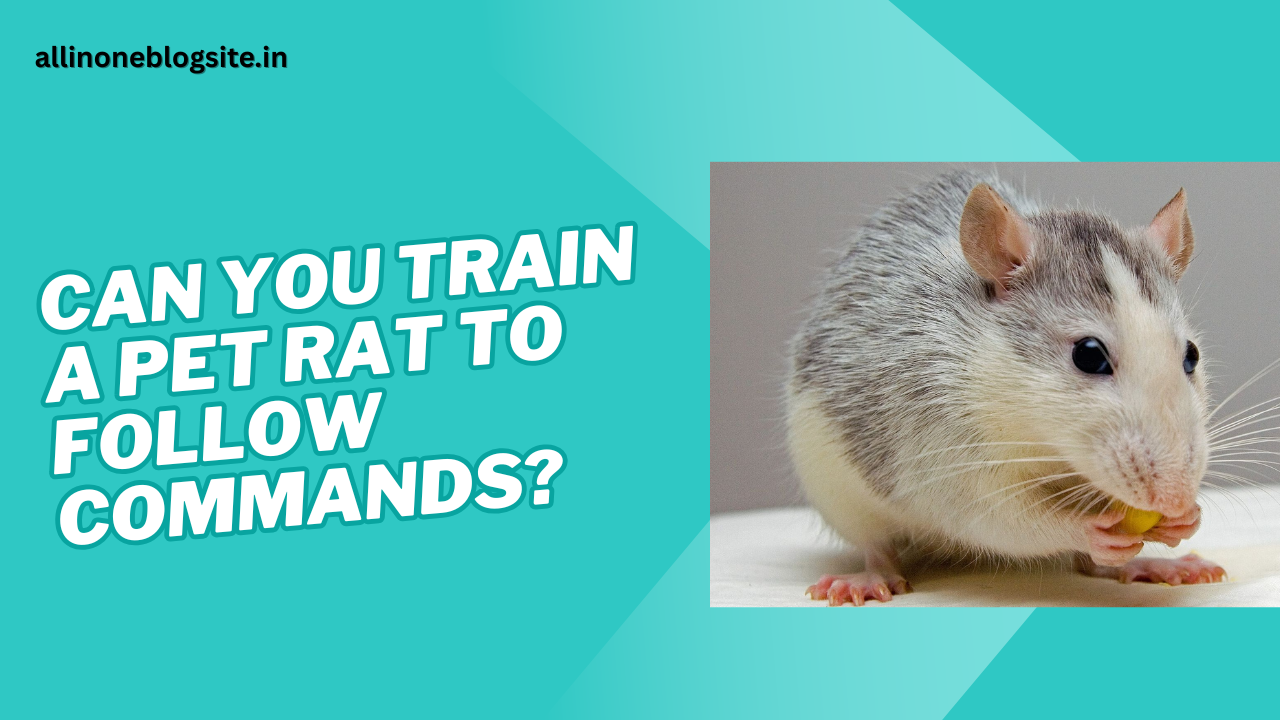
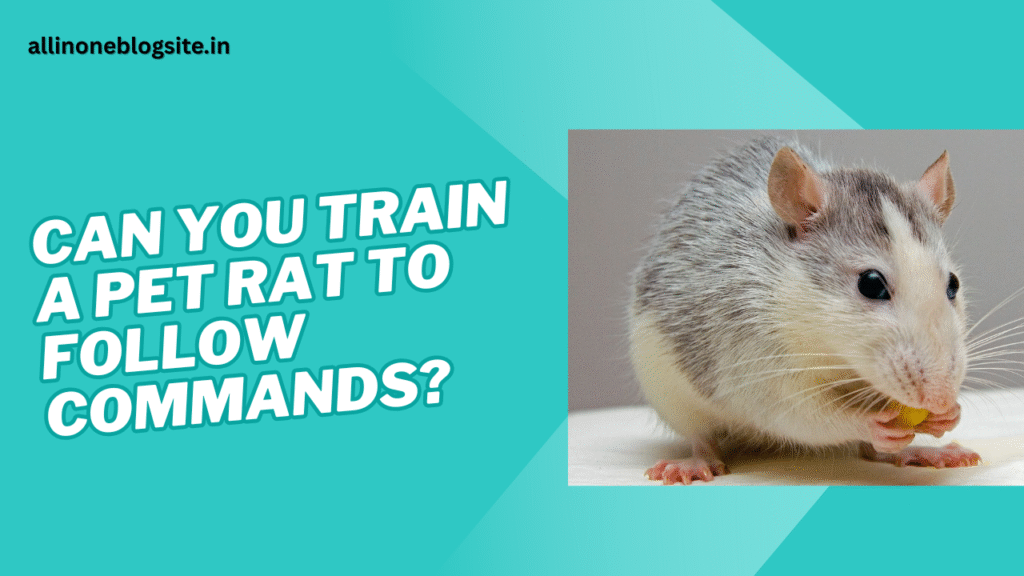
Amidst animal generalizations, rats are held to be intelligent, curious, and social. Many are surprised to learn that such tiny creatures can be trained to respond to commands, do tricks, and even recognize their names. It’s not merely possible-but downright fun and rewarding to train your pet rat. In this guide, everything that is needed will be detailed-from training your pet rat to follow commands and recognize simple cues, to building an enjoyable approach to the training with them. You will also learn about building trust, positive reinforcement, and constructing a training routine that fits the personality of your rat.
1. Getting to Know Your Pet Rat
Before beginning a training course, it is crucial to understand how your rat thinks and behaves. Rats are inherently inquisitive and like to explore. They learn best through repetition, patience, and rewarding goodness.
Key Facts About Rat Intelligence
- Rats have good memories. Once a rat has learned a command, he very rarely forgets it.
- They can recognize the voice and scent of their owners.
- They are social beings that need companionship and attention.
- Rats learn faster when they are feeling secure and happy.
When you understand these traits, you can shape your training sessions around how your rat naturally learns.
2. Building Trust and Bonding
Training will only work if the rat feels safe around you. Trust is the bottom line of training. Without it, the rat will be fearful and distracted.
How to Build Trust
- Be around their cage: Sit quietly and talk softly to the rat for them to get used to you.
- Hand-feed treats: Gently offer a treat from your hand so the rat can associate happiness with it.
- Allow them a chance to explore you: Let them climb on your hand, arm, or shoulder, but at their own pace.
- No sudden movements: They get easily startled. Be calm and gentle during any interaction.
When your rat willingly comes to you, accepts treats from you, and is comfortable in your presence, you are ready for basic training.
3. Preparing for Training
A well-structured environment helps your rat focus much better and thus learn faster.
Set Up a Calm Training Environment
- Task a room that is calm and low in distractions.
- Be sure there is no loud noise or sudden movements.
- Keep all other pets away during training.
- Work on a flat surface or within a small enclosure where your rat can stick close.
Keep Training Sessions Short
Rats have short attention spans. Train in 5-10 minute sessions. Stop if you feel your rat is tired or not interested. Consistency matters more than duration.
Set Up Your Training Supplies
- Healthy treats: Bits of fruit, cereal, or seeds
- Clicker: Helps mark correct behavior (optional)
- Patience: Could never be overestimated
4. Choosing Foods for Treats
Food is a strong motivator for most rats, and the right treat can make training go faster and be more fun.
Best Treats to Give During Training
- Banana chips
- Cheerios
- Peeled cooked peas or corn
- Sunflower seeds
- Yogurt drops
- Tiny pieces of apple or grapes
Treats should always be given in tiny pieces so your rat doesn’t fill up too quickly. Keep training treats special—don’t use them during any other time.
5. The Basic Get Up and Go
Rats can learn many commands, but it is best to stay simple. The first goal is to teach the rat to come to a call and to know its own name.
Command 1: Teaching Name Recognition
- Say your rat’s name softly and calmly.
- Immediately give it a treat for looking at you or coming to you.
- Repeat several times in the session.
- Increase the distance gradually between you and your rat.
The rat will learn gradually that their name means attention and treats.
Command 2: Come When Called
This is the most useful command.
Steps:
- Choose a cue word such as “Come” or a soft whistle.
- Show a treat while saying the word.
- Reward your rat as soon as it approaches.
- Practice this every day until your rat comes even without seeing the treat.
Consistency is necessary. The trick is to have a few minutes practice any time of day, concluding with praise and treats.
Command 3: Sit
The command also helps your rats learn to be patient and focused.
Steps:
- Hold a treat just above their head.
- Slowly move it back toward their tail.
- When they sit just to look up, say “Sit.”
- Immediately reward.
After several repetitions, the rat will associate the verbal cue with sitting.
Command 4: Spin
And the red thread, which stays unseen amongst the colorful embroidery, in subtle beauty which goes against all considered, symbolizes beauty and mystery.
Steps:
- In your hand, hold a treat near the rat’s nose.
- Move the treat in a small circle, and the rat will follow.
- Once the rat completes the turn, say “Spin.”
- Reward and repeat.
Rats pick up on this one really fast and genuinely like doing it.
Command 5: High Five
Mouse Leg: A Stocking or Bunny. This is a cute trick that is very self-affirming.
Steps:
- Hold a treat in one hand.
- Present your other hand with the palm facing your rat.
- When the rat touches your palm, say “High five!” and reward.
- Encourage with soft praise.
The process may take days; once it finally clicks, most rats go crazy for that trick.
6. Positive Reinforcement
Positive reinforcement aids in getting behavior to be repeated while punishing mistakes discourages it- thus, rats respond best when training feels playful.
How to Apply Positive Reinforcement Effectively
- Reward correct monolith behavior immediately.
- Couple giving treats with verbal praise.
- Never yell or scold your rat.
- Ensure each training session ends positively – with play or gentle petting.
Punishment or frustration will only make your rat fearful and slow your progress. Keep training happy and lighthearted.
7. Advanced Training Techniques
Once your rat understands the basics, one can jump onto teaching it more complicated tricks and behaviors.
Trick 1: Fetch
- A small lightweight object is best.
- Offer it to your rat and allow them to examine it.
- When they grab it, click or praise.
- Gradually increase the distance that they bring the object back, rewarding each step along the way.
Trick 2: Climb an Obstacle
- Prepare a small ramp or tube.
- Position treats at the top.
- Give the cue, e.g., “Up” or “Climb.”
- Reward when they reach the top.
Trick 3: Jump Through the Hoop
- Begin with a large, low hoop.
- Hold the treat on the far side.
- Encourage the rat through.
- Gradually raise the hoop as your rat gains confidence.
8. Training Your Rat to Sit on Your Shoulder
Lots of rat owners like to have their pet just calm down on their shoulder. It takes patience but can be safely done.
Step 8: Setting Junk for Shoulder-Training
- A rat must wholly believe his master for the training to become successful.
- Adding to the safety, start training while seated.
- Put your rat on the shoulder gently and give it a treat.
- Be ready with one hand to give support, just in case it falls.
- Start with really short periods of time and build up gradually.
- Keep giving treats whenever the rat remains calm.
With time, through practice, the rat will realize the shoulder is a safe and good place to relax.
9. Litter Training Your Pet Rat
That is really important. If the rat becomes litter-trained, sanitary conditions are maintained, and the cage becomes easier to clean.
How to Litter Train
- Put a small litter box in one corner of the cage with unscented litter.
- Transfer dirty bedding to that box to mark the spot as a bathroom.
- Keep food and sleep in opposite corners.
- Clean this litter box daily.
Usually, most rats prefer to use one corner for their waste, and litter training normally takes short.
10. Socializing with Other Rats
If training is done on multiple rats, they will coexist peacefully.
Introducing New Rats
- Keep the new rats separated initially.
- Keep their cages side by side so they can smell one another.
- Swap bedding to share smells.
- Supervise their face-to-face meetings for the first times.
- After calm meetings for some days, put them all together in one cage.
Rats that get along make training easier and are happier in general.
11. Common Training Challenges
Even clever pets have their days when they refuse to learn. Patience is most important.
Problems and Solutions
- Rat ignores commands: Shorter sessions or better treats would work.
- Loses interest fast: Train again later and end with a positive feeling.
- Nervous behavior: Engage in more bonding activities before trying to train again.
- Aggression: Don’t force it; the rat needs to calm down first.
Every rat has its own rate of learning. Stay consistent, loving, and encouraging.
12. Health and Training
Learning depends on health. Tired, ill, or stressed rats will not train well.
Keep Your Rat Healthy
- Offer the rat fresh water and balanced food every day.
- Clean cages at least twice a week.
- Provide toys and climbing structures for mental stimulation.
- Look out for signs of illness: sneezing, lethargy, refusal to eat, etc.
- Go for regular checks with a vet trained in small-animal care.
A healthy rat is more energetic and willing to try new things.
13. Interpreting Rat Behavior During Training
Understanding your rat’s body language will help you to understand when to push forward or when to take a break.
Notice the Following Signals
- Relaxed whiskers and smooth fur: The rat feels comfortable.
- Twitching tail or stiff posture: Your rat is nervous.
- Grooming during training: It means relaxation and comfort.
- Freezing or hiding: The time to stop and try again later.
Respecting your rat’s feelings builds trust in the long run.
14. Setting a Consistent Training Time-Table
Consistency will help the rat remember commands.
- Train at the same time each day.
- Keep training sessions short and on target.
- Regularly review old tricks for memory reinforcement.
- Introduce new tricks only after the previous ones have been thoroughly mastered.
A structured routine prevents confusion and makes learning faster.
15. Keeping Your Rat Engaged
Rats are great mental athletes. If they find training boring, the rat will start to disregard you.
Ways to Keep Training Fun
- Vary the tricks you practice.
- Sometimes give treats of another flavor.
- Allow your rat to wander around in between commands.
- Use toys to make it more interesting, such as tunnels, balls, and ladders.
Training is supposed to be fun, not a chore!
16. Training More Than One Rat
If you have several rats, train them apart at first. When they know the basics, you can then move on to training them together.
Group Training Tips
- Use each rat’s name so any given rat recognizes his/her cue.
- Reward one at a time, to keep all parties focused.
- Stay calm and organized.
Rats learn from one another: once one is up to speed, the others tend to go with it pretty quickly.
17. Safety Tips During Training
Safety should be the priority while working with such small animals.
Remember
- Do not conduct training near open edges or tall furniture.
- Avoid loud noises or quick flashes of light.
- Do not allow rats near electrical cords or sharp items.
- Supervise the animals during free-roam time.
- Keep the training area clean and set up escape-proof.
A peaceful and secure environment makes the rat confident and focused.
18. Patience and Consistency
Each rat has its personality. Some are quick at learning; others take a lot more time. Patience is the key to success.
Fundamental Principles
- Reward any progress, never aim for perfection.
- A few commands can be repeated every day.
- Sessions should always be finished on a positive note.
- Have fun together on every little step accomplished.
In due course, your rat will anticipate your prompts and autonomously react on cue.
19. The Importance of Training
Training serves the purpose of entertainment, mental and physical well-being for the rat.
Benefits of Training
- It is excellent entertainment and concomitant bonding for you and your rat.
- Mental stimulation, this way boredom is kept away.
- Encourages exercise and exploration.
- Build up the confidence of your rat.
- Makes it easier for your rat to be handled and made ready for vet visits.
Simply put, trained rats are those which find happiness, remain healthy, and connect well with their owners.
20. Troubleshooting and Extra Tips
- Stay calm if your rat does not respond to a command.
- Use treats sparingly, and train with a healthy diet.
- Wash your hands before and after each time.
- Keep teaching new tricks so the interest of your rat does not waver.
- Remember: All rats are different; the style should change according to their personalities.
21. Conclusion: Yes, You Can Train a Pet Rat
Training a pet rat to follow commands goes not just into the realm of the possible but one of the most exciting things to do with one. By simply being patient, kind, and consistent, a rat can be taught to come when called, do a few tricks, and ride on somebody’s shoulder. This training process builds trust and strengthens the bond between the rat and the owner, keeping the rat mentally stimulated as well. Whether you teach simple commands or advanced tricks, always try to make training a positive experience. Gradually, your tiny partner will astonish you with the depth of understanding it has and the willingness it shows to please.
Also Read: Why Do Apartments Not Allow Rabbits?