Introduction
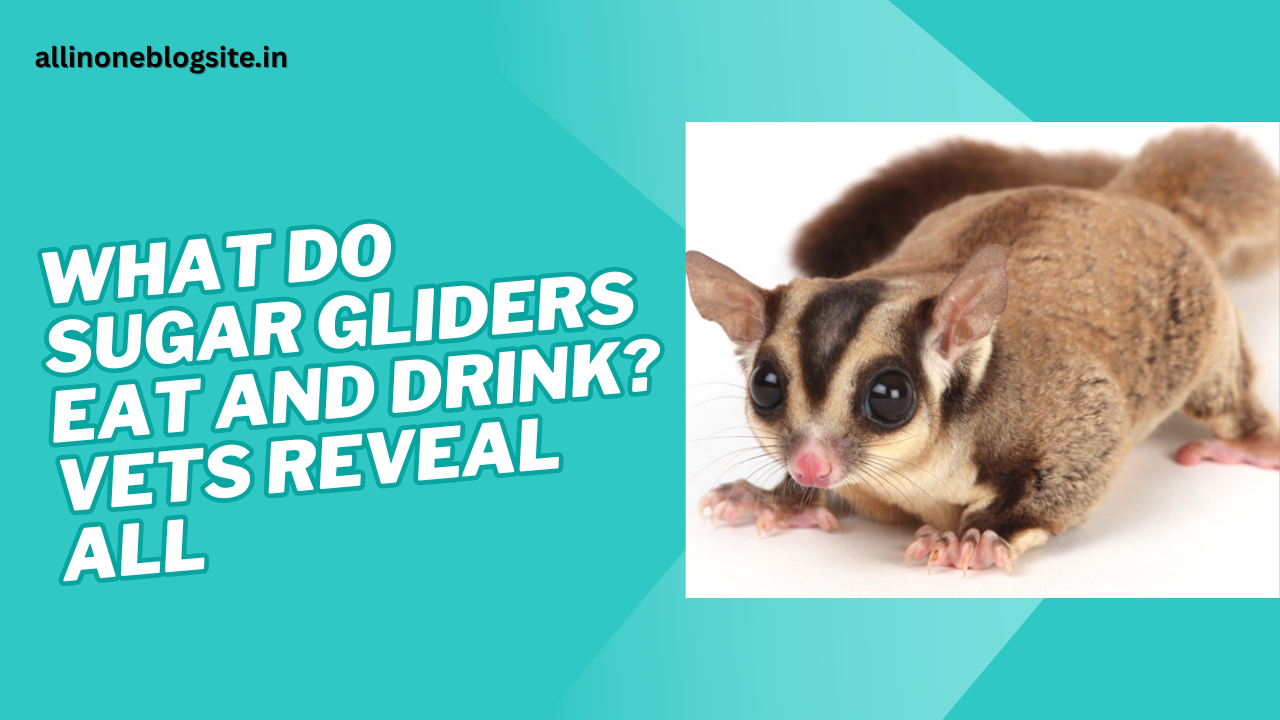
Sugar Gliders are small, tree-climbing marsupials from Australia and Indonesia. They are adored for their playful antics, gliding ability, and bonding with people. The most asked question the new owners usually want to know is:
“What do sugar gliders eat and drink?”
The diet is very important; it affects their health, energy, and lifespan. This page will undertake a step-by-step approach to feeding a sugar glider well. Every tip is based on expert research, best practice, and real-life experiences.
What Are Sugar Gliders?
- Sugar gliders are nocturnal.
- They are members of the marsupial family.
- Adult sugar gliders typically weigh from 100 to 160 grams.
- In the wild, they live high above in the trees and jump and glide from one tree branch to another.
Because of their habit of feeding on sweet plant sap, nectar, and gliding ability, they are called sugar gliders.
Understanding Their Natural Diet
Sugar gliders in the wild eat:
- Tree sap (mainly from eucalyptus and acacia trees)
- Nectar
- Pollen
- Insects and larvae
- Small vertebrates, on occasion
- Fruits and flowers
They have high metabolism. This means they need energy-rich food. Their diet in the wild changes with the season and what’s available.
What Sugar Gliders Eat in Captivity
They cannot eat exactly like in nature if they are kept as pets. But a situation can be established for them: The diet should be:
- Protein, almost 40%
- Fresh fruits, close to 25%
- Fresh vegetables, close to 25%
- Calcium supplements
- Few treats, not more than 10%
Variety in safe fresh foods keeps them healthy and happy.
Fruits That Are Safe for Sugar Gliders
Fruits provide natural sugars, vitamins, and hydration. They can be fed fresh or frozen (never canned):
Fruits to feed:
- Apples (peeled)
- Bananas
- Papaya
- Blueberries
- Strawberries
- Mango
- Kiwi
- Pears (moderately)
- Watermelon
- Cherries (no pits)
- Cantaloupe
- Peaches
Avoid:
- Grapes (debated, just don’t take chance)
- Rhubarb
- Citrus fruits (may cause upset stomach)
- Fruit seeds and pits (toxic)
Note: Wash all fruits well; remove skins if they are thick or waxed.
Safe Vegetables for a Sugar Glider
Vegetables provide vitamins, fiber, and minerals for any sugar glider.
Safe vegetables include:
- Carrots (chopped)
- Green beans
- Sweet potato (either cooked or raw)
- Spinach (only in very small quantities)
- Kale (in small quantities)
- Zucchini
- Broccoli (very rarely)
- Peas
- Squash
- Bell peppers
- Corn (infrequently; high phosphorus content)
Vegetables to avoid:
- Garlic
- Onions
- Leeks
- Avocado
- Iceberg lettuce (Very less nutritional content)
Good Protein Sources
Sugar gliders must get protein daily to keep themselves strong. In the wild, insects are their natural protein source.
Fine proteins to feed:
- Plain boiled chicken – no salt or seasoning
- Scrambled eggs – no butter
- Plain yogurt – no added sugar
- Hard-boiled eggs
- Cottage cheese – just a little bit
- Ground turkey – cooked
- Mealworms – live or dry
- Crickets – safety guaranteed (pesticide free)
Avoid beef and pork as they are very fatty.

Do Sugar Gliders Need Supplements?
The answer is, yes. Almost all the diets end up being short of calcium, and when phosphorus goes in excess, calcium absorption gets blocked. This can cause:
- Weak bones
- Hind leg paralysis
- Seizures
- Death
Recommended:
- A Calcium supplement with vitamin D3 (daily)
- A multivitamin for sugar gliders (read the labels)
Important: Never use reptile vitamins or generic pet supplements.
What Should Sugar Gliders Drink?
Water is life-giving. They do not drink much, so there should always be clean water present.
Tips:
- Use filtered water if you can.
- Change the water on a daily basis.
- Bottle or shallow dish can be used.
- Diluted 100% fruit juice can be administered, once or twice per week (half juice, half water).
Never give:
- Gliderade or similar sugary drinks
- Sodas or flavored drinks
- Any kind of milk
Dangerous Foods to Avoid
Some foods are dangerous, even in a slight dose.
Never feed them:
- Chocolate
- Candy and sugar
- Caffeine
- Processed human foods
- Avocado
- Garlic, onion, or chives
- Fruit pits or apple seeds
- Raw meat
- Dog or cat food
- Any insect from outside because they might have pesticides
Feeding Time and Amount
Sugar gliders are twilight creatures; hence, when they main thing will be served.
The ideal schedule could be:
- Evening (5–8 PM): Fresh main meal (protein + fruits + veggies)
- Morning (optional): a light snack or dry food
- Keep dry treats or glider biscuits in the vicinity
Quantities meant to feed:
- 1.5 tablespoons of a mixture of fresh food per glider per day
- Treats: No more than 1 teaspoon a day
- Protein: A little bit daily (smallest amount that can fit on the tip of your thumb)
- Always have fresh drinking water
Sample Weekly Feeding Plan
Here’s a simple feeding chart to guide you:
| Day | Protein | Fruits | Vegetables | Notes |
|---|---|---|---|---|
| Mon | Scrambled egg | Apple | Carrots + green beans | Add vitamin supplement |
| Tue | Boiled chicken | Mango | Kale + peas | |
| Wed | Plain yogurt | Banana | Sweet potato | Calcium-rich meal |
| Thu | Hard-boiled egg | Blueberries | Zucchini | |
| Fri | Ground turkey | Kiwi | Broccoli + squash | Add supplements |
| Sat | Mealworms | Papaya | Corn (tiny) + spinach | |
| Sun | Chicken | Pear | Bell pepper + peas |
Tips While Feeding Sugar Gliders
- Cut the food into small pieces
- Keep the food well mixed, so they don’t become selective eaters
- Rotate the kinds of protein offered
- Don’t leave any fresh food in the cage overnight
- Mount food bowls high up in the cage (gliders like eating above ground)
- Freeze portioned homemade food in ice trays
Common Feeding Mistakes
- Too many treats: Causes obesity and clingy behavior
- Too few calcium: Bone problems
- Too much phosphorus: Blocks calcium absorption
- Using wrong supplements: Always buy glider-specific ones
- Feeding wrong time: Gliders eat at night, not morning
Final Thoughts
Sugar glider feeding is not so difficult, but it certainly requires attention and care. Their diet must be:
- Balanced
- Varied
- Fresh
- Low in fats and sugars
With the delivery of food, water, and supplements to their gliders, owners should keep their sugar gliders happy and healthy for over a decade.
Keep a standard feeding routine, and keep track of what your glider eats and any changes in health status. Always consult a vet who understands exotic pets when in doubt about such issues.
Frequently Asked Questions:
1. Can sugar gliders develop food allergies or sensitivities?
Eating certain foods can cause an allergic reaction or sensitivity in sugar gliders. Such allergies are quite rare but symptoms can include soft stools, lethargy, and refusal to eat. Potential allergens generally are unfamiliar proteins, which could be gifted to a glider in heavily processed treats from a friend, or preservatives in some commercially-prepared foods. If any of these changes are triggered after giving your sugar glider a new food, immediately withdraw the food from the diet and consult an exotic vet for further advice. It is best always to start new ingredients on a slow basis, and give one new thing at a time to observe any reaction.
2. Can sugar gliders forage for food in their cages?
They should! It is a very natural behavior that will keep their brusel entertained. Permit foraging by hiding tiny morsels of fruit or protein in puzzle feeders, treat balls, or toys suspended from the cage. Foraging in this manner will act as a simulation of their natural environment, while still preventing boredom, which could end up causing stress or destructive behavior. Any food put up for foraging should really be perishable and had better be pulled out after a handful of hours to keep from spoiling.
3. Do sugar gliders require seasonal changes in the diet?
Yes. Seasonal diet changes for sugar gliders can simulate natural feeding patterns and promote their health. In the wild, sugar gliders tend to eat more insects during warmer months (breeding season) while slightly reducing protein intake in winter. This can be done by increasing protein sources during spring and summer and slightly lowering them during the winter months. Nevertheless, their dietary balance must always be maintained according to their nutritional requirements regardless of the season.
4. Are sugar gliders allowed to eat food meant for other exotic animals like ferrets or hedgehogs?
Definitely not. While some ingredients might be similar, a food prepared for some other exotic animal may have a nutritional profile not quite fit for a sugar glider. For example, ferret food is extremely high in fat and protein and contains little in the way of fruits and vegetables that sugar gliders need. Always stick to the diet formulated for sugar gliders or fresh diet alternatives approved by the vet.
5. How can I tell if the diet I have set for my sugar glider is proper?
A diet should maintain behavior and a healthy appearance in sugar gliders. Signs that an animal may be getting good nutrition may be:
- Bright eyes alert to surroundings
- Soft and clean fur
- Weight remaining the same
- Normal stools, which are not runny or very hard
- Active and playful behavior
Signs of weakness, thinning of fur, or lack of appetite may point toward some nutritional imbalance. Regular weighing and observation will help keep track of these over time.
6. Can sugar gliders learn to recognize and develop food preferences?
Yes, sugar gliders can develop affinities and may even “beg” for certain foods. They remember tastes strongly and may recognize treats or fruits by smell and texture. On the other hand, letting your sugar gliders eat their favorites can cause nutritional imbalance. So you have to rotate many fruits, veggies, and proteins for them; this variety should be instilled early on, or else they will be picky latterly.
7. Should food preparation follow hygiene or cooking guidelines like human food?
Hygiene is equally important for glider food as it is for a human being. All fruits and vegetables must be washed to rid off pesticides. If meat or eggs are used, they must be fully cooked without the use of seasonings. Everything in use, be it knives, chopping boards, or containers for storage, must be kept clean to avoid bacterial contamination. In case the food is spoiled or contaminated, a sugar glider might suffer from gastrointestinal problems or worse infections because their systems do not fare very well in that regard.
8. For how long can the homemade glider food be put to storage in the freezer?
Homemade food for sugar gliders, prepared in batches as fresh diets are, is stored for up to 30 days in a freezer. Make use of airtight containers or bags specifically for freezer storage to preserve the food’s freshness. Setting the portions in ice cube trays is a clever way of maintaining control over daily servings. Always remember to label the container with the date of preparation and never thaw food for the sake of refreezing as it will reduce the quality and give room for bacteria to grow.
9. Is it possible for sugar gliders to eat foods off your plate?
It is not advisable at all. Lots of human foods are prepared using salts, oils, spices, or other ingredients detrimental to the sugar gliders. Even minute amounts of butter, garlic, or artificial sweeteners could cause them harm. If you want to give your sugar glider a treat from your meal, share only unseasoned fruits or vegetables from the list of safe items for gliders.
10. How do I go about changing my sugar gliders’ diet without causing stress?
Change slowly. Begin by introducing a small amount of new food into their existing diet. Over a week or two, increase the amount of new food while decreasing the old until it’s all new diet. Pay close attention to their eating during this period; some gliders might resist change, so be patient. Do not change everything all at once. A sudden change can upset their digestion, cause refusal to eat, or both.
Also Read: https://allinoneblogsite.in/does-pet-joint-care-medicine-make-dogs-lazy/.